Building a personal brand as an artist can transform a creative passion into a recognized career. A strong personal brand not only showcases an artist’s unique style but also helps attract the right audience and opportunities. By defining their identity and communicating it effectively, artists can set themselves apart in a competitive market.
Artists should start by identifying their core values, influences, and what makes their work distinctive. This self-awareness is crucial for creating authentic content that resonates with viewers. Engaging on social media platforms, sharing behind-the-scenes processes, and networking within art communities will further enhance visibility.
Consistency in messaging and visual presentation reinforces the brand identity. This can involve a cohesive color palette, logo, or personal tagline that artists use across platforms. By maintaining a unified approach, artists can cultivate a recognizable brand that speaks to their audience and potential clients.
Establishing Your Unique Brand
Creating a unique brand involves defining core values, establishing a distinct voice, and selecting visual elements that resonate with your identity. This combination shapes how an artist presents themselves to the world.
Defining Your Core Values and Strengths
Identifying core values is essential for any artist. These values represent what the artist stands for and what drives their creative process. Common values might include authenticity, creativity, and community.
Artists should conduct a self-assessment to determine strengths that set them apart. This could involve techniques, themes, or philosophies crucial to their art. Listing these attributes can clarify the artist’s brand message and direction.
Through this reflection, artists can create a brand narrative that reflects their identity, appealing to an audience that shares similar values. This can help build a loyal following and foster deeper connections within their community.
Crafting a Brand Voice and Unique Voice
A brand voice should express the artist’s personality and resonate with their target audience. It encompasses language style, tone, and storytelling approach. Artists need to consider how to articulate their thoughts and emotions through their work and communication.
Additionally, a unique voice in art differentiates the artist from others. This might involve specific themes, techniques, or subject matter. Artists are encouraged to explore their inspirations and influences, using these elements as touchstones for their voice.
Consistent usage of this voice across platforms helps solidify the artist’s identity, making it easier for followers to recognize and engage with their brand. To fully realize this voice, artists can benefit from professional guidance in refining and presenting their brand consistently. For instance, collaborating with an award winning creative studio can help translate an artist’s vision into compelling visuals, content, and campaigns that can resonate with audiences across platforms.
Choosing a Color Scheme and Symbol
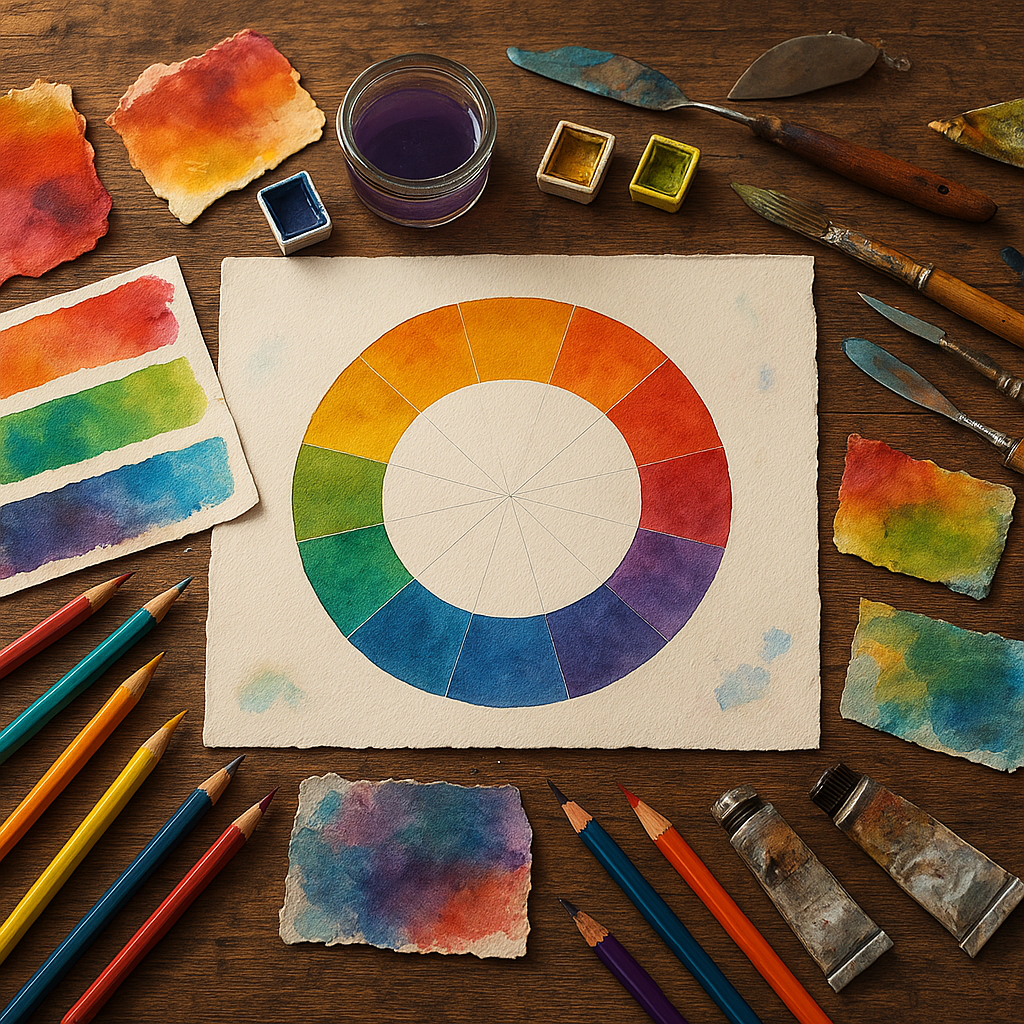
Visual identity is vital in establishing a brand. Selecting a color scheme is the first step. Colors evoke emotions and can communicate the artist’s core values, such as passion through red or calmness through blue.
Alongside colors, symbols can enhance brand recognition. This could be a logo, a specific motif in artwork, or an icon that represents the artist’s philosophy.
Artists should ensure that their chosen colors and symbols are consistent across all platforms, from social media to physical artworks. This consistency reinforces brand identity and helps build a memorable presence within the artistic community.
Building an Online Presence
Creating a strong online presence is vital for any artist looking to establish a personal brand. This involves developing a consistent theme, optimizing social media profiles, and engaging actively with the community.
Developing a Consistent Theme
A consistent theme helps unify an artist’s work and makes it easily recognizable. This theme should reflect the artist’s style, values, and the message they wish to communicate.
Key elements to consider:
- Color Palette: Stick to a specific color scheme that resonates across platforms.
- Imagery: Use a coherent style in visuals, whether it’s photography, illustrations, or graphics.
- Voice: Maintain a consistent tone in written content that aligns with the artist’s persona.
This consistency aids algorithms in categorizing and promoting the artist’s content effectively.
Optimizing Social Media Profiles
To maximize visibility, artists must ensure their social media profiles are well-optimized.
Important aspects include:
- Profile Picture: Use a professional image that captures the artist’s brand.
- Bio: Write a concise and informative bio, incorporating keywords related to the art style and medium.
- Links: Include links to personal websites, portfolios, or online shops for easy access.
Regularly updating profiles can improve engagement and connection with the audience. Active involvement also influences algorithm favorability in showing the artist’s content to potential followers.
Engaging with Community and Building Relationships
Community engagement is essential for personal branding. Artists should aim to cultivate genuine relationships within their sphere.
Ways to engage include:
- Commenting: Actively respond to comments on posts, fostering connection and appreciation.
- Collaborations: Partner with other artists, which can introduce them to new audiences and enhance visibility.
- Content Sharing: Share work from other artists or community members to build goodwill and encourage reciprocity.
Investing time in these relationships nurtures a supportive network, enhancing the artist’s credibility and reach within the community.
Expanding Reach and Exposure
To build a personal brand, artists must focus on increasing their reach and exposure. Effective strategies leverage social media, create engaging content, and utilize algorithm insights.
Strategizing with Social Media Platforms
Artists should select the right social media platforms based on their target audience. For visual artists, Instagram and Pinterest are particularly effective, while musicians might find TikTok and YouTube valuable.
Creating a profile that reflects their artistic identity is crucial. Regularly engaging with followers through stories, live sessions, or Q&A can foster community. Collaborating with other artists or influencers can amplify reach and introduce the artist to new audiences.
A consistent posting schedule is vital. Posting during peak hours increases visibility. Utilizing tools like analytics can help artists refine their strategy based on follower interactions.
Creating Content that Resonates with Your Target Audience
Understanding the target audience is key. Artists should research preferences, interests, and behaviors to align content accordingly.
Storytelling enhances connection. Sharing behind-the-scenes glimpses or personal narratives can make the art more relatable. Using video content can also increase engagement, as video often captures attention better than static images.
High-quality visuals are essential. Clear, professional-looking images or videos of artwork create a strong impression. Regularly updating the content keeps the audience interested and encourages shares, leading to further exposure.
Leveraging Hashtags and Algorithm Insights
Hashtags are powerful tools for exposure. Artists should research trending and niche-specific hashtags to increase discoverability.
Using a mix of popular and less common hashtags can help reach diverse audiences while avoiding oversaturation. It’s crucial to stay updated on changes in social media algorithms. Adapting content based on these trends can result in higher engagement rates.
Regularly analyzing post performance can uncover patterns in what resonates most with followers. This data-driven approach allows artists to fine-tune their strategies and maximize exposure over time.
Maintaining Your Personal Brand
An artist’s personal brand requires ongoing effort to navigate competition, receive feedback, and cultivate trust with fans. It’s essential to adapt to changes in the industry while building a solid reputation.
Navigating Competition and Industry Changes
To maintain a personal brand, an artist must stay informed about industry trends and competitor strategies. They should regularly analyze successful peers and identify what differentiates their work.
Conducting market research through surveys or social media polls can provide insights into audience preferences.
Participation in industry events can also enhance visibility and foster networking opportunities. By remaining adaptable, an artist can refine their brand, ensuring it resonates with both current and potential fans.
Gathering Constructive Criticism and Trust
Constructive criticism is vital for an artist’s growth. It provides specific feedback that can enhance their work and overall brand image.
Artists can solicit critiques through exhibitions or online platforms, allowing fans and peers to express their thoughts.
Building trust involves transparency and consistency. Regularly engaging with fans via social media or newsletters allows an artist to show appreciation and respond to feedback.
Establishing an approachable persona encourages loyalty, fostering a community that remains invested in their journey.
Establishing a Solid Reputation and Fanbase
A solid reputation stems from consistent quality and professionalism. An artist should present their work polished and authentic, maintaining high standards across platforms.
Creating a unique visual identity is vital. This includes a cohesive style that resonates with the intended audience.
Engaging actively with fans through interactive content can help deepen connections. Artists might host Q&A sessions, live performances, or behind-the-scenes looks into their creative process.
Building a loyal fanbase takes time, and nurturing those relationships is essential for long-term recognition.