Every photoshoot has an intricate process that goes far beyond the final images viewers admire. From meticulous planning to real-time adjustments, the behind-the-scenes action is filled with teamwork and creativity. Understanding this process reveals how collaboration among photographers, stylists, and models creates stunning visuals that captivate audiences.
The preparation begins long before the camera starts clicking. This stage involves conceptualizing the theme, scouting locations, and organizing resources. Each member of the team plays a unique role, ensuring every detail aligns with the vision of the shoot.
During the shoot itself, unexpected challenges often arise, requiring quick thinking and adaptability. Lighting conditions may change, or a model’s pose might not convey the intended emotion. Each of these moments showcases the skill and expertise needed to deliver compelling photography.
Pre-Production Planning
Effective pre-production planning is essential for a successful photoshoot. It involves careful consideration of the concept, wardrobe, accessories, and communication among team members, ensuring that every detail is accounted for before the shoot begins.
Concept Development
Concept development is the foundation of a photoshoot. It starts with brainstorming ideas that align with the desired theme and objectives. The photographer collaborates with the creative team to establish a strong visual narrative.
This stage may include the creation of mood boards. These boards visually represent the shoot’s aesthetic through images, colors, and textures. Feedback from relevant stakeholders is crucial to refine the concept and ensure everyone is aligned with the vision.
Wardrobe and Accessories Selection
Selecting the right wardrobe and accessories is vital to achieving the desired look. Coordinating with a stylist can streamline this process. They assess the concept and choose garments that complement the theme and enhance the models’ features.
It’s important to consider the location and lighting when making selections. Various fabrics and colors react differently under different conditions. A fitting session ensures that everything fits well and addresses any last-minute adjustments needed for the shoot.
Communication and Coordination
Clear communication is paramount throughout pre-production. The photographer coordinates with all team members, including the stylist, makeup artist, and models, to provide updates on the vision and logistics.
Creating a detailed schedule helps everyone stay on track. This includes timelines for fittings, rehearsals, and shooting days. Regular check-ins and confirmations reduce misunderstandings and ensure all aspects of the shoot are organized efficiently. This approach fosters a collaborative environment, enhancing the overall success of the photoshoot.
Day of the Shoot
Efficient coordination and meticulous preparation contribute greatly to the success of a photoshoot. The focus on logistics and model readiness ensures that every detail aligns for optimal results.
Setting the Scene
Prior to the shoot, the photographer carefully establishes the desired atmosphere. This involves selecting the location and adjusting lighting to create the right mood.
Natural light can be harnessed or supplemented with additional equipment to enhance shadows and highlights.
Silhouettes can be emphasized by manipulating the light source, affecting how the model is perceived in the frame. This setting not only influences the style of the photographs but also impacts how the model will pose.
A well-prepared environment, complete with props and backgrounds, allows the team to work efficiently and achieve the envisioned aesthetic.
Model Preparation
Model preparation is an essential aspect that sets the tone for the day. Prior to arrival, models should follow a skincare routine to ensure their complexion is camera-ready.
Makeup artists often collaborate with models to enhance features while maintaining a natural look. Having a clear understanding of the look can streamline this process.
Additionally, models should be briefed on the concept and poses required for the shoot. This preparation fosters confidence, which translates into compelling images. Essentials like clothing changes and accessories must be organized to facilitate quick transitions.
Effective communication between the model and the creative team is key to achieving the desired outcomes.
Capturing the Perfect Shot
Creating the perfect shot involves careful experimentation with angles and lighting, as well as a deep understanding of the equipment used. Each element plays a crucial role in producing high-quality images that resonate.
Experimentation with Angles and Lighting
Photographers often experiment with various angles to find the most flattering perspective. Shooting from below or above can dramatically alter the subject’s appearance. Low angles might provide an empowering aura, while high angles can produce a sense of vulnerability.
Lighting is equally essential. Natural light, available within certain hours, can create soft, flattering effects. For indoor shoots, diffused artificial lighting can help minimize harsh shadows. Adjusting the position of the light source relative to the subject can significantly influence mood, emphasizing textures and details that might otherwise go unnoticed.
Behind the Camera
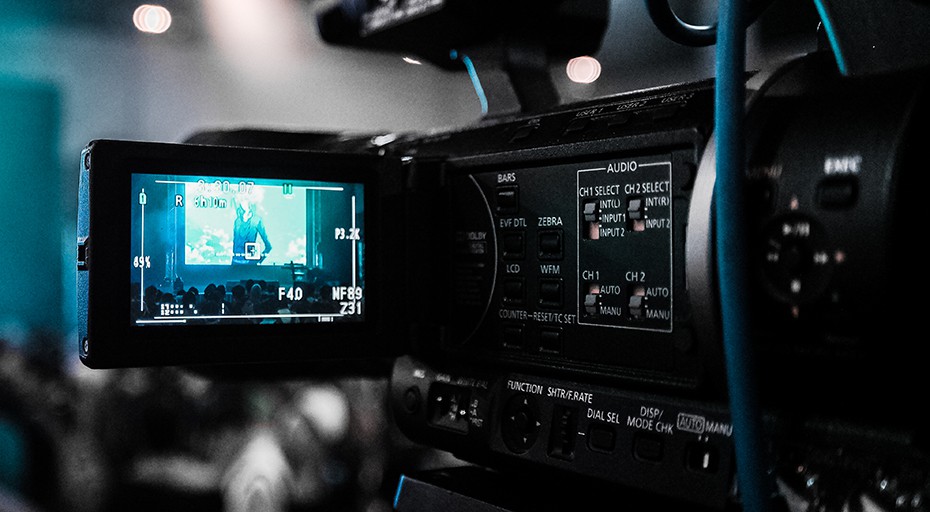
Behind the scenes, a photographer makes quick adjustments to settings based on real-time observations. They continuously assess the environment, monitoring both subject positioning and camera settings.
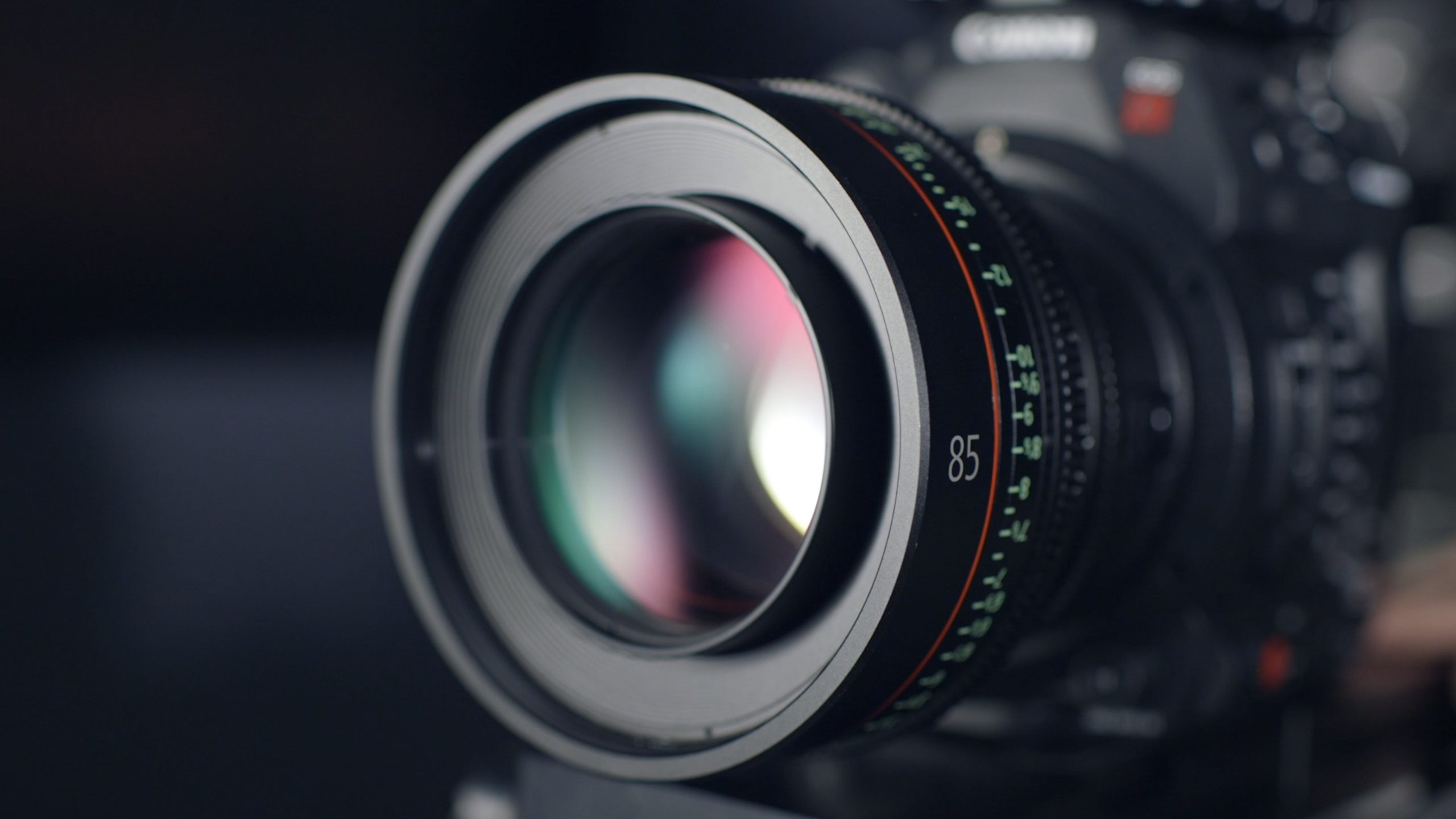
Essential equipment, like tripods and reflectors, assists in achieving stability and enhancing light. A photographer must understand how to combine these tools effectively. This hands-on approach to adjusting lenses or aperture settings ensures the perfect shot is captured.
In such moments, clarity and attention to detail become paramount, as these decisions directly impact the final image. Capturing the essence of the subject is inherently tied to the creative choices made behind the camera.