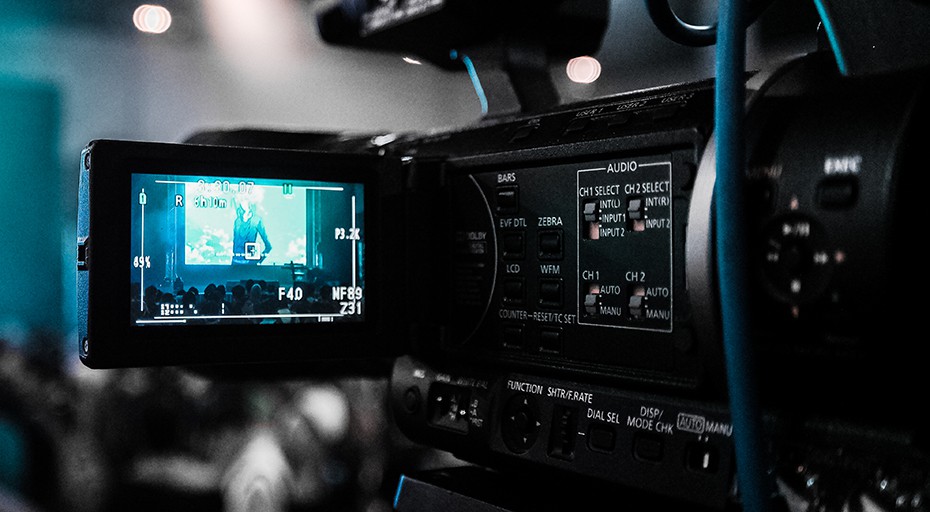
For travelers who wish to capture breathtaking moments and stunning landscapes, selecting the right camera gear is essential. The best camera gear for travel photography typically includes a lightweight camera body, versatile lenses, and essential accessories to ensure quality shots without adding unnecessary bulk. An optimal setup allows photographers to adapt to various environments, from bustling cities to serene nature scenes.
When it comes to lenses, a zoom lens offers flexibility, allowing for both wide-angle shots and up-close details, making it ideal for diverse settings. Additionally, investing in a sturdy yet compact tripod can enhance stability for low-light conditions and ensure crisp images. With these tools in hand, any traveler can elevate their photography skills significantly.
The combination of portability and quality in camera gear enables photographers to document their adventures authentically. Understanding how to choose the right equipment can turn ordinary travel moments into extraordinary visual stories.
Choosing the Right Camera
Selecting an appropriate camera is crucial for travel photography. It involves understanding the differences between camera types, assessing various options, and identifying key features that enhance the photography experience.
DSLR vs Mirrorless Cameras
DSLR cameras have long been favored for their optical viewfinders and robust build. They typically offer extensive battery life and a wide selection of lenses. Many photographers appreciate the tactile controls and familiarity of DSLRs.
In contrast, mirrorless cameras are lighter and more compact. They use electronic viewfinders, providing real-time exposure feedback. Mirrorless models have rapidly advanced, offering competitive autofocus speeds and image quality, including full-frame options for those seeking high resolution and low-light performance.
Compact and Full-Frame Options
Compact cameras are highly portable and user-friendly. Many feature advanced autofocus systems and image stabilization, making them suitable for quick shots while traveling. They are ideal for casual photographers who prioritize ease of use without sacrificing quality.
Beyond standard digital options, there is a growing trend toward capturing the timeless aesthetic often associated with a digital vintage camera through the use of modern reusable film equipment. These compact 35mm cameras offer a sleek design that appeals to travelers who want the nostalgic look of film without the bulk of heavy professional gear. Using film encourages a more deliberate approach to composition, as each shot becomes a physical memory rather than just another file on a memory card. This blend of contemporary style and classic photography provides a unique way to document adventures with a distinct, sophisticated character. It serves as an excellent middle ground for those who appreciate the simplicity of point-and-shoot mechanics paired with authentic analog results.
Full-frame mirrorless cameras offer superior image quality and performance, especially in low light. These cameras allow for interchangeable lenses, offering versatility for different shooting scenarios. They often support 4K video, appealing to videographers as well. Photographers might choose full-frame for the ability to produce high-resolution prints and achieve better depth of field.
Important Camera Features for Travel
When choosing a camera for travel, several features should be prioritized.
- Autofocus Speed: This is crucial for capturing fast-moving subjects, especially in dynamic environments.
- Image Stabilization: Helps reduce blurriness caused by camera shake, particularly useful when shooting handheld.
- Weather Resistance: Essential for photographers who may encounter varying climates.
- Video Capability: 4K video options are increasingly important for those wanting to capture high-quality travel footage.
Investing time in understanding these features can significantly enhance the travel photography experience.
Essential Lenses for Travel Photography
Selecting the right lenses is crucial for capturing diverse travel experiences. Travelers should consider versatile options for various situations, as well as specialized lenses for specific subjects. Evaluating lens quality and size ensures that photographers can maintain portability without sacrificing performance.
Versatile Lenses for Different Situations
A standard zoom lens is often considered a must-have for travel photographers. These lenses typically cover focal lengths from 24mm to 70mm, making them suitable for landscapes, street photography, and portraits.
- Examples: Canon 24-70mm f/2.8, Nikon 24-120mm f/4
- Benefits: Flexibility to change composition without swapping lenses.
Wide-angle lenses are excellent for capturing expansive landscapes. Ranging from 16mm to 35mm, these lenses provide a distinct perspective.
- Examples: Sigma 14-24mm f/2.8, Canon EF 16-35mm f/4
- Benefits: Enhance depth and make scenes feel more immersive.
These versatile options allow photographers to adapt quickly to a variety of environments.
Specialized Lenses for Landscapes and Wildlife
When it comes to landscape photography, prime lenses such as the 24mm or 35mm f/1.4 offer exceptional sharpness and low-light performance.
- Examples: Sony FE 24mm f/1.4, Nikon 35mm f/1.8
- Benefits: Superior image quality and faster aperture for capturing details in challenging lighting.
For wildlife enthusiasts, telephoto lenses provide the necessary reach to capture distant subjects.
- Examples: Canon 70-200mm f/2.8, Nikon 200-500mm f/5.6
- Benefits: Ability to isolate animals without disturbing them.
These specialized lenses enhance opportunities for breathtaking travel photography, especially in nature.
Considering Lens Quality and Size
When choosing lenses, quality should not be compromised. Look for lenses with a constant aperture for consistent performance in different lighting conditions.
Weight and size matter, particularly for travelers. Compact and lightweight options facilitate ease of transport without sacrificing image quality.
- Examples: Fujifilm XF 18-55mm f/2.8-4 (compact), Tamron 28-75mm f/2.8 (versatile)
Prioritizing quality and size ensures that photographers can carry their gear comfortably, ready for any shot that presents itself.
Accessories and Supporting Gear
Travel photography requires more than just a camera and lens. The right accessories can enhance the shooting experience, provide stability, and ensure that memories are captured effectively. Essential items include tripods, filters, memory cards, and additional tools that contribute to successful photography on the go.
Tripods and Stabilization Tools
A sturdy tripod is indispensable for travel photographers seeking sharp images, especially in low light conditions. Travel tripods are ideal due to their lightweight design and compact size, making them easy to carry.
Popular choices include:
- Compact Travel Tripods: Designed for portability without sacrificing stability.
- Monopods: Offer quick setup and flexibility for dynamic shooting situations.
- Gimbals: Help stabilize video footage for smoother results.
These options facilitate creative compositions, particularly when shooting long exposures or timelapses.
Filters and Memory Cards
Filters can drastically improve image quality and creative options. A neutral density (ND) filter allows for longer shutter speeds without overexposing images, perfect for capturing soft water and motion blur in landscapes. A circular polarizer (CPL) enhances colors and reduces glare, especially in bright environments.
Memory cards are just as crucial. High-capacity SD cards provide ample storage with faster write speeds. Carry a few backups to ensure ample space for high-resolution images and videos. Additionally, an external hard drive can help in backing up essentials when traveling.
Extra Essentials for the Travel Photographer
Other important accessories can enhance the travel photography experience. A reliable camera bag safeguards gear while also providing easy access. Look for options with adjustable compartments to ensure a snug fit for cameras, lenses, and accessories.
A cleaning kit is vital for maintaining gear, especially in challenging environments. It includes microfiber cloths, lens brushes, and cleaning solutions to keep lenses free from dust and smudges.
Furthermore, a comfortable camera strap can help reduce fatigue during long shoots, while a Peak Design camera clip offers an efficient way to carry the camera securely on backpacks. These essentials contribute to a more organized and enjoyable traveling photography journey.
Post-Processing and Storage
Effective post-processing and reliable storage solutions are crucial for managing travel photography. With the right workflow and backup strategies, photographers can enhance their images while ensuring their work remains secure.
Workflow for Travel Photography
A streamlined workflow helps in efficiently editing and organizing photos. First, importing images into software like Adobe Lightroom or Capture One allows for easy management.
Photographers often start with basic adjustments such as exposure, contrast, and color correction. Using presets can expedite this process. After initial edits, specific details can be fine-tuned, including sharpening and noise reduction.
Organizing images into folders based on location or date can simplify the post-processing phase. Tagging photos with keywords can further enhance searchability.
Backup and Security Strategies
Implementing a robust backup strategy protects photography work. Photographers should invest in an external hard drive with ample storage capacity. Regularly backing up files can mitigate data loss risks.
Using the 3-2-1 backup rule is recommended: three total copies of data, two on different storage devices, and one off-site. Cloud storage options such as Google Drive or Dropbox provide additional security.
Encrypting sensitive files ensures the protection of personal data. Photographers should periodically check the integrity of backups and test restoration procedures to confirm data is safe and secure.